
Understanding the Essence of a Fashion Designer
A fashion designer is not just someone who creates clothing but an architect of identity and culture. In the modern world, fashion designers play a crucial role in influencing how people express themselves, blending creativity with technical precision and a deep understanding of market behavior. The fashion designer’s responsibility extends far beyond sketching garments; it encompasses storytelling, innovation, and sustainability. Their work shapes entire generations’ perception of beauty, individuality, and status.
In the ever-evolving fashion landscape, a designer must interpret societal shifts and translate them into wearable art. Whether designing luxury couture or streetwear, fashion designers define trends that impact not only what people wear but also how they live. By integrating art, psychology, and commerce, they create collections that tell stories of time, culture, and human emotion.
The Evolution of Fashion Design as an Art Form
Fashion design has evolved from a craft serving royalty to a global force of cultural and economic influence. In the 19th century, the profession began to take shape with the rise of haute couture. Designers began personalizing clothing for elite clients, setting the stage for a global fashion revolution. With industrialization, clothing became accessible to the masses, leading to the emergence of ready-to-wear collections that democratized style.
In the modern era, fashion has transformed into a multidisciplinary field. Designers today draw inspiration from architecture, technology, and social media. Fashion is no longer confined to fabric; it incorporates sustainability, inclusivity, and digital innovation. The rise of 3D modeling, virtual fashion shows, and AI-assisted design tools has fundamentally redefined the creative process. The role of a fashion designer now involves both artistic intuition and technological expertise, bridging creativity and commerce in ways that were unimaginable a century ago.
Core Responsibilities of a Fashion Designer
A professional fashion designer wears many hats, blending artistry, technical skill, and business sense. Their work revolves around conceptualizing, designing, and producing garments that capture aesthetic appeal while aligning with brand identity and consumer demand.
Key Responsibilities Include:
- Researching trends and cultural influences: Designers study art, music, and social changes to create collections that resonate with audiences.
- Sketching and conceptualization: Each design begins as a visual concept, developed through sketches and digital illustrations.
- Material and color selection: Choosing the right fabric and color palette affects both functionality and emotional tone of the collection.
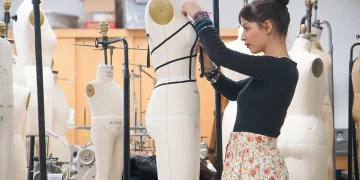
- Pattern-making and prototyping: Translating sketches into physical garments through detailed patterns and prototypes ensures that creative ideas are wearable.
- Collaboration and production management: Designers work closely with pattern makers, tailors, and manufacturers to produce collections efficiently while maintaining quality.
- Marketing and presentation: Fashion designers participate in runway shows, lookbook development, and brand campaigns to promote their collections to buyers and the media.
The Design Process: From Inspiration to Runway
The creative journey of a fashion designer follows a structured yet fluid process that combines intuition with strategy.
1. Research and Conceptualization
Before any sketch is made, designers gather inspiration from art, architecture, film, and global culture. They study consumer behavior, analyze historical trends, and forecast future preferences. This research shapes the theme of the collection.
2. Storyboarding and Mood Board Creation
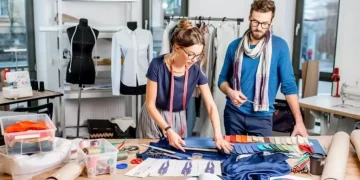
Designers create mood boards that visually represent the concept of the collection. These boards include images, colors, fabric samples, and shapes that capture the overall vibe and direction of the designs.
3. Sketching and Digital Rendering
Using both hand-drawn and digital tools, designers translate their ideas into visual form. Modern designers often use software like Adobe Illustrator or CLO 3D to simulate how fabrics will move and drape.
4. Fabric Selection and Sampling
The choice of fabric determines the texture, weight, and performance of a garment. Sustainable designers prioritize organic, recycled, or biodegradable materials to reduce environmental impact. Samples are created to test fit, comfort, and design accuracy.
5. Construction and Production
Once the design is approved, it moves to production. This involves pattern grading, cutting, sewing, and finishing. The designer supervises every stage to ensure quality and adherence to the original concept.
6. Presentation and Marketing
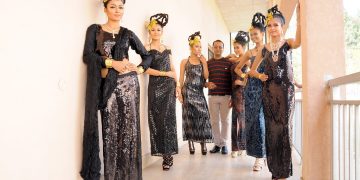
The final stage is presentation, often through fashion shows or digital campaigns. Designers must also think about commercial aspects such as pricing, packaging, and branding to connect their creations with the right audience.
Skills That Define a Successful Fashion Designer
To succeed in today’s highly competitive fashion industry, a designer must master an array of creative and business skills.
Creative Skills
- Artistic vision: The ability to conceptualize designs that are innovative and trend-forward.
- Color and texture understanding: A keen eye for combining shades, fabrics, and patterns harmoniously.
- Storytelling ability: Every collection must communicate a cohesive narrative.
Technical Skills
- Sewing and draping expertise: Knowledge of how fabric behaves on the human body is critical.
- Digital design proficiency: Modern designers must be adept at using 3D design software and CAD tools.
- Garment construction knowledge: Understanding pattern-making, cutting, and assembly ensures production feasibility.
Business and Interpersonal Skills
- Market analysis: Designers must understand global markets and customer expectations.
- Brand management: Building a consistent identity across all products and communications.
- Leadership and teamwork: Collaborating with production teams, stylists, and marketers effectively.
Fashion Designers and Sustainability
Sustainability has become a defining theme in modern fashion. Designers are now expected to be conscious of their environmental and ethical footprint. The industry has shifted toward eco-friendly fabrics, ethical labor practices, and waste reduction.
Many designers are experimenting with circular fashion models, where clothing is designed to be recycled or reused. Digital fashion is also emerging as an eco-conscious alternative, allowing consumers to purchase virtual outfits for avatars without the environmental costs of production.
Sustainable Practices Fashion Designers Are Adopting:
- Using organic cotton, hemp, and recycled fibers
- Reducing overproduction through on-demand manufacturing
- Incorporating zero-waste pattern-making techniques
- Educating consumers on garment care and longevity
These practices not only enhance a designer’s reputation but also align with the growing consumer demand for responsible fashion.
The Future of Fashion Design
Fashion design is entering an era where creativity meets technology. Augmented reality (AR) fitting rooms, virtual fashion shows, and AI-powered design analytics are redefining how collections are created and marketed. Designers are leveraging data insights to understand what consumers want while using technology to push the boundaries of imagination.
Moreover, inclusivity and diversity have become central to modern fashion design. Designers are creating clothing that celebrates all body types, ethnicities, and gender identities. The industry’s shift toward representation marks one of the most transformative changes in fashion’s history.
As the global market continues to evolve, the role of the fashion designer will expand further into sustainability consulting, digital artistry, and social advocacy. The next generation of designers will not just create clothing but shape global conversations about identity, culture, and environmental consciousness.
Common Challenges in the Fashion Industry
Despite its glamour, fashion design is a demanding profession filled with challenges. Designers face constant pressure to innovate while maintaining profitability.
Major Challenges Include:
- Fast fashion competition: The rise of low-cost mass production challenges originality and ethical production.
- Supply chain issues: Material shortages and production delays can disrupt entire collections.
- Intellectual property protection: Copycat designs and counterfeits threaten brand value.
- Balancing creativity with commerce: Designers must meet both artistic and financial goals.
- Adapting to technology: Staying current with new tools and digital platforms is essential for survival.
Real-Life FAQs
Q1: How long does it take to become a professional fashion designer?
Typically, it takes 3–4 years of formal education in fashion design and several years of industry experience to build a recognized portfolio.
Q2: What are the most important tools used by fashion designers today?
Modern designers rely on sketching tools, pattern-making software, sewing machines, and digital platforms like Adobe Illustrator and CLO 3D to visualize and create designs.
Q3: Can someone succeed in fashion design without formal education?
While formal training provides structure and technical knowledge, many successful designers are self-taught. What matters most is skill development, creativity, and a strong professional network.
Q4: How do designers stay ahead of fashion trends?
They conduct extensive market research, attend international fashion weeks, follow social media analytics, and collaborate with trend forecasters to anticipate shifts in consumer preferences.
Q5: What role does technology play in the future of fashion design?
Technology is transforming the industry through virtual try-ons, digital garments, AI-assisted trend prediction, and blockchain for supply chain transparency.
Q6: How do fashion designers balance creativity with business strategy?
They align their artistic vision with brand identity, consumer demand, and market analytics. Successful designers understand both design aesthetics and financial sustainability.
Q7: What advice do professionals give aspiring fashion designers?
Develop your unique voice, never stop learning, and stay adaptable. Building relationships within the industry and maintaining consistency in your creative style will help you stand out in a competitive market.
This detailed exploration captures the multifaceted world of a fashion designer, showcasing how artistry, innovation, and strategy converge to shape an industry that continues to define self-expression and cultural evolution worldwide.