
Developing a signature personal style often feels like a balancing act between timeless elegance and current relevance. Dressing strictly in heritage garments can inadvertently make an outfit look like a historical costume, while wearing head-to-toe trendy pieces often results in a generic look that dates quickly. The most sophisticated, authentic wardrobes exist at the intersection of these two worlds.
Blending classic foundation pieces with sharp modern elements allows you to create outfits that feel grounded, fresh, and distinctly individual. This styling approach maximizes the utility of your wardrobe, honors exceptional tailoring, and gives you the creative freedom to experiment with contemporary trends without falling victim to fast-fashion cycles.
Understanding the Foundations of Classic and Modern Design
Before combining opposing aesthetics, it is helpful to understand what each category brings to an ensemble.
Classic style is defined by permanence, structural integrity, and proven tailoring. These are garments and accessories that have survived decades of shifting trends due to their clean lines, neutral color palettes, and utilitarian origins.
Key characteristics of classic fashion include:
-
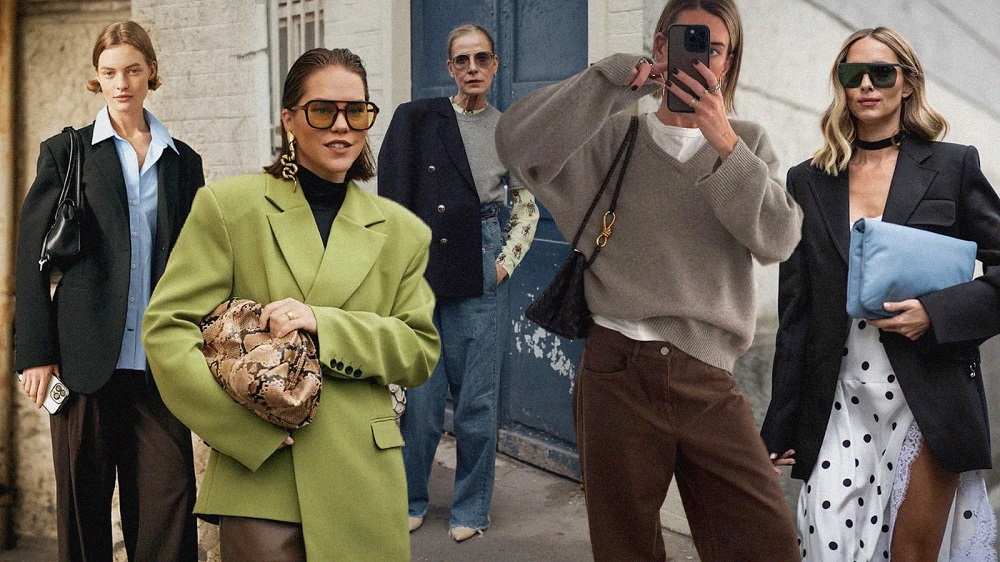
Structured silhouettes: Tailored trench coats, double-breasted blazers, straight-leg trousers, and crisp poplin button-downs.
-
Neutral, timeless color palettes: Navy, camel, charcoal, cream, black, and understated olive.
-
Natural, durable textiles: Heavyweight wool, raw silk, rigid denim, cashmere, and full-grain leather.
Modern fashion, by contrast, focuses on innovation, subversion, cultural commentary, and experimentation. It challenges traditional rules through exaggerated proportions, high-tech textiles, unexpected hardware, and playful styling.
Key elements of modern design include:
-
Deconstructed and exaggerated forms: Oversized boxy cuts, micro-proportions, asymmetric hemlines, and drop shoulders.
-
Technical and synthetic fabrics: Ripstop nylon, bonded neoprene, metallic finishes, and sheer mesh overlays.
-
Bold accents and hardware: Chunky industrial zippers, lug-sole platforms, vibrant neon pops, and graphic accessories.
Combining these aesthetics creates visual contrast, giving an outfit tension and depth.
The Rule of Proportions: Balancing Volume and Structure
One of the most effective ways to merge classic and modern garments is through proportional balance. Classic clothing often relies on balanced, body-conscious tailoring, whereas modern design frequently plays with exaggerated volume. Pairing opposing volumes ensures the outfit looks intentional rather than chaotic.
Practical ways to balance proportions include:
-
Oversized contemporary tops with tailored trousers: Pair an oversized, drop-shoulder graphic sweatshirt or a voluminous technical windbreaker with sharp, double-pleated wool trousers and leather loafers.
-
Fitted classic tops with wide modern bottoms: Match a slim-fitting, classic merino wool turtleneck with exaggerated, puddle-hem wide-leg cargo pants or a structured architectural skirt.
-
Cropped modern silhouettes over classic tailoring: Wear a modern cropped puffer jacket or a boxy short cardigan over an elongated, classic Oxford shirt and tailored cigarette pants.
By anchoring one voluminous or relaxed modern piece with a structured classic counterweight, you maintain a clean, flattering silhouette.
Textural Contrast: Juxtaposing Traditional and Technical Materials
Texture provides a subtle yet powerful canvas for merging different fashion eras. Pairing heritage textiles known for warmth and natural grain with sleek, synthetic, or industrial fabrics creates an immediate high-low contrast.
Effective textile pairings include:
-
Cashmere and technical nylon: Wear a plush, camel-hair or cashmere crewneck sweater underneath a lightweight, matte-black nylon utility vest or sporty track jacket.
-
Tweed and casual jersey: Layer a structured, vintage-style tweed jacket over a minimalist, heavyweight cotton jersey t-shirt and modern raw-edge denim.
-
Silk and heavy leather: Combine a delicate, bias-cut silk slip dress with chunky, modern platform combat boots and a structured oversized leather bomber jacket.
-
Waxed cotton and futuristic synthetics: Contrast a heritage British waxed hunting jacket with modern coated leggings or high-shine track trousers.
These textural collisions prevent classic pieces from feeling stuffy while giving high-tech, modern pieces a refined foundation.
High-Low Accessory Integration
Accessories act as the bridge between disparate style eras. They allow you to transform the tone of an outfit instantly without altering the core clothing items.
Strategic accessory choices to blend eras include:
-
Modern footwear with traditional suiting: Dress down a classic two-piece houndstooth or navy wool suit by swapping formal dress shoes for pristine minimalist leather sneakers, chunky lug-sole loafers, or sharp square-toe boots.
-
Heritage accessories with contemporary streetwear: Elevate a modern relaxed sweatsuit or baggy streetwear ensemble by carrying a structured, vintage leather top-handle bag or wearing a classic gold signet ring.
-
Statement eyewear: Pair traditional, understated staples like a beige trench coat and white button-down with bold, futuristic wrap sunglasses or thick geometric acetate frames.
-
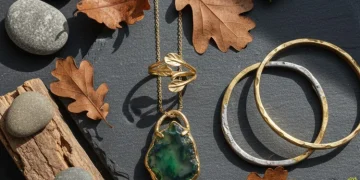
Layering jewelry styles: Mix classic jewelry staples, such as delicate tennis bracelets or understated pearl studs, with modern chunky industrial chain links or sculptural silver ear cuffs.
Using accessories as dynamic accents gives you complete control over how traditional or avant-garde your overall presentation feels.
Curating a Versatile Hybrid Wardrobe
Building a wardrobe capable of effortless era-mixing requires a deliberate strategy. Instead of buying complete outfits that only work together, focus on acquiring modular pieces that can cross stylistic boundaries.
Steps to building a balanced wardrobe include:
-
Invest seventy percent in classic anchors: Allocate the majority of your budget to high-quality, durable basics that provide the foundation for everyday dressing. Focus on superior fabrics and precise tailoring.
-
Reserve thirty percent for trend-forward pieces: Use the remaining portion of your wardrobe for expressive, seasonal, or experimental modern items that bring energy to your foundational pieces.
-
Audit your closet for harmony: Regularly evaluate whether your modern purchases can be styled with at least three different classic staples you already own. If a trendy piece cannot integrate with your foundational wardrobe, it will likely sit unworn.
This disciplined formula prevents closet clutter while keeping your daily styling adaptable and fresh.
Frequently Asked Questions
How can I wear vintage pieces without looking like I am wearing a retro costume?
To avoid a costume-like appearance, limit yourself to one prominent vintage piece per outfit and pair it exclusively with clean, contemporary basics. For example, if you wear a vintage 1970s embroidered suede jacket, style it with modern straight-leg raw denim, a minimalist white crewneck tee, and contemporary ankle boots rather than matching it with retro flared pants and platform heels.
What is the easiest classic and modern outfit formula for a beginner?
The simplest starting point is the blazer and sneaker combination. Pair a tailored, classic wool or linen blazer with a simple white crewneck t-shirt, relaxed dark-wash jeans, and clean, low-profile modern sneakers. This formula balances structure and casual comfort effortlessly.
Can I mix silver and gold jewelry when blending classic and modern styles?
Mixing metals is an effective way to modernize a jewelry collection. The key is to blend them intentionally rather than randomly. Choose at least one two-tone piece that incorporates both metals to create a visual bridge, or distribute the metals evenly across your wrists, fingers, and neck rather than clumping all gold on one side and silver on the other.
How do I make traditional corporate business wear feel more current and modern?
Modernize business wear by relaxing the fit and updating the accessories. Swap stiff, tight shirts for relaxed silk or fluid modal tops, choose trousers with a wider leg and higher rise, and replace conventional pointed pumps with modern block-heel mules, modern slingbacks, or sculptural loafers.
Are there certain color combinations that instantly modernize classic garments?
Introducing unexpected, high-contrast color pairings instantly refreshes classic clothing. Try pairing traditional camel or navy coats with vibrant cobalt blue, electric red, or lime green accessories. Alternatively, creating a head-to-toe monochromatic look in an unexpected neutral, like rich olive or slate grey, gives classic cuts a sleek, modern finish.
How do I choose the right coat to wear over both formal and sporty outfits?
A tailored, single-breasted wool overcoat in charcoal, black, or camel that hits below the knee is the most versatile outerwear piece you can own. It layers seamlessly over business suits, yet creates a striking, modern high-low contrast when worn open over a hooded sweatshirt, relaxed sweatpants, and trainers.
How can older individuals mix modern trends into their wardrobe without feeling self-conscious?
Focus on integrating modern cuts and premium fabrications rather than chasing youth-oriented micro-trends. Opting for modern architectural silhouettes, wide-leg trousers, square-toe footwear, and updated minimalist jewelry allows mature dressers to look current, sophisticated, and self-assured without feeling out of place.