

Activewear is often discussed as a fashion category, but it plays a deeper role in fitness behaviour. The clothes a person wears to the gym can affect comfort, confidence, movement quality and willingness to train regularly. When activewear feels supportive and practical, the workout experience becomes easier. When it feels uncomfortable or distracting, consistency can suffer.
For someone working with a personal gym trainer singapore, activewear choices can also affect exercise technique and confidence. The right outfit helps the client move freely, allows the trainer to observe form and supports focus during guided sessions.
Confidence influences workout behaviour
Many people feel self-conscious in the gym. They may worry about how they look, whether they are doing exercises correctly or whether others are watching. Comfortable activewear can reduce some of this anxiety.
Confidence does not require expensive clothing. It comes from feeling secure, covered, supported and ready to move. When a person is not constantly adjusting clothing, they can focus better on the workout.
This matters because confidence affects consistency. People are more likely to return to the gym when they feel comfortable in the environment.
Fit matters more than trends
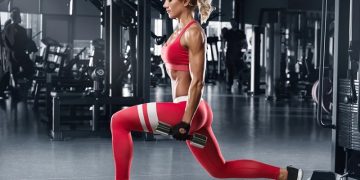
Fashion trends can influence activewear purchases, but fit should always come first. Clothing should stay in place during squats, lunges, cardio, stretching and floor exercises. It should not restrict movement or create discomfort.
Overly tight clothing can limit range of motion. Very loose clothing can interfere with equipment or make form harder to observe. The best fit allows movement while providing comfort and support.
For personal training, this is especially important because the trainer may need to assess posture, alignment and movement control.
Fabric choice affects performance
Singapore’s warm and humid climate makes fabric choice important. Breathable, moisture managing fabrics can make workouts feel more comfortable. Heavy or non-breathable fabrics may increase discomfort, especially during cardio or high intensity sessions.
Good activewear should help manage sweat without becoming distracting. This does not mean every item must be premium priced, but it should be practical.
Comfortable fabric supports longer, more focused sessions. It can also make clients less hesitant to train during warmer parts of the day.
Footwear affects movement quality
Shoes are a key part of gym attire. Different activities require different footwear. Running shoes may support treadmill work, but they may feel unstable during heavy lifting. Flatter shoes may work better for strength training. Studio classes may require shoes that support lateral movement.
A personal trainer may notice if footwear is affecting balance or form. For example, soft running shoes can make squats feel less stable. Poorly fitted shoes can create discomfort during lunges or cardio.
Choosing footwear based on training style can improve both safety and performance.
Activewear can support gym identity
What people wear can influence mindset. Changing into activewear can signal that it is time to train. This small psychological shift can help build routine.
For many people, activewear is part of the transition from work mode to workout mode. After a long office day, changing clothes can create a mental reset.
In this way, activewear supports consistency by making the gym feel like a planned part of life rather than an afterthought.
Personal training requires practical clothing
During personal training, clients may perform different movements in one session. They may lift weights, use machines, stretch, complete cardio intervals or do mobility drills. Clothing should support all these activities.
Practical activewear helps the trainer see how the body moves. It also allows the client to perform exercises without hesitation.
A professional environment such as True Fitness Singapore can make clients more aware of the importance of being properly prepared for training sessions.
Style can increase motivation, but function should lead
Looking good can help people feel motivated, and there is nothing wrong with enjoying activewear style. However, style should not come before function. Clothing that photographs well but performs poorly can distract from training.
The best activewear combines confidence and practicality. It helps people feel good while also supporting movement, comfort and safety.
For long term consistency, function always wins.
Building a simple activewear routine
People do not need an excessive wardrobe to train consistently. A few reliable outfits, suitable shoes, socks, a gym towel and a practical bag can be enough.
Keeping gym clothes ready in advance reduces excuses. Busy adults are more likely to train when preparation is easy. If clothes are clean, packed and ready, the decision to attend becomes simpler.
This is especially useful for people who train before work, during lunch or immediately after office hours.
FAQ
I go to training right after work. How can I make activewear preparation easier?
Keep a packed gym bag with clothes, shoes, socks, towel and water bottle ready the night before. Reducing preparation makes it less likely that you will skip the session.
My leggings or shorts move during exercises. Can that affect my workout?
Yes. Constantly adjusting clothing can distract you and reduce confidence. Choose activewear that stays secure during squats, lunges and cardio movement.
Does my trainer need me to wear fitted clothes?
Not necessarily tight clothes, but clothing should allow your trainer to observe posture and movement. Very baggy clothing may make form correction harder.
I feel self-conscious in gym clothes. What should I choose?
Choose pieces that feel comfortable, supportive and appropriate for your movement. Confidence often improves when you are not worried about coverage, fit or fabric.
Conclusion
Activewear choices influence gym confidence and training consistency by affecting comfort, movement and mindset. The right clothing helps people feel prepared, focused and more willing to train.
For personal training clients, functional activewear also supports better coaching because movement can be observed and corrected more easily. When style and function work together, activewear becomes part of a stronger fitness routine.