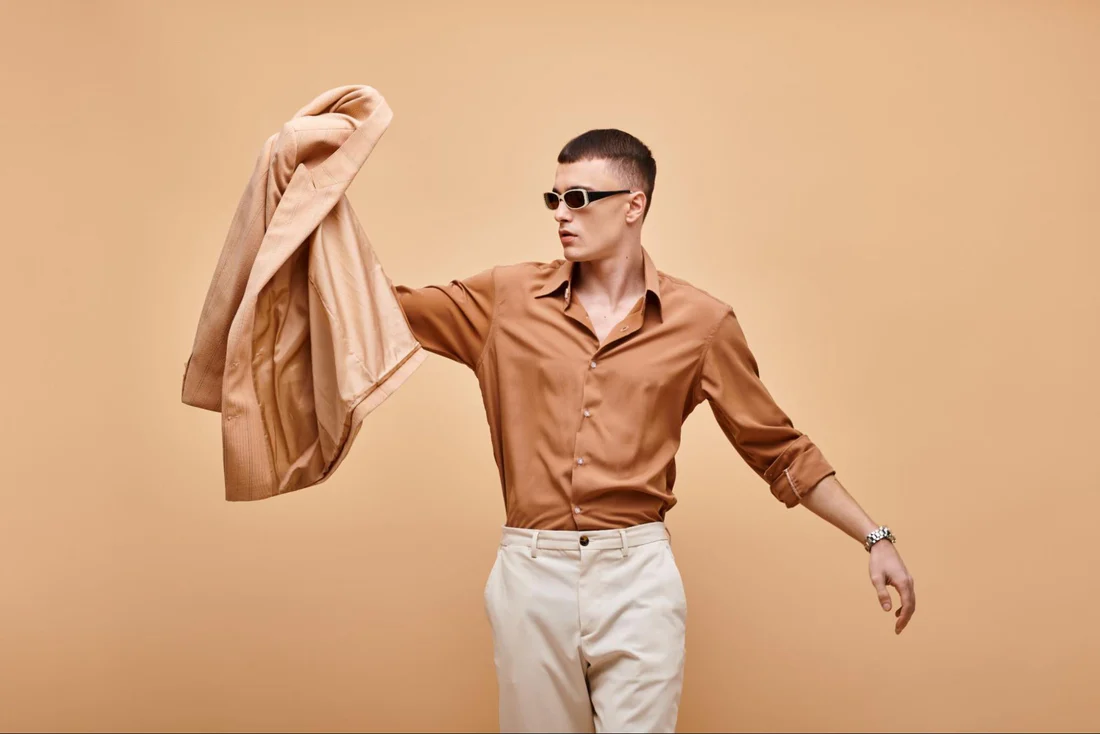

Fashion in 2025 is a thrilling blend of creativity, technology, and cultural influence. Today’s trends are not merely about aesthetics; they reflect shifting lifestyles, social values, and technological evolution. From expressive color palettes to redefined silhouettes and digital-driven designs, this year’s fashion landscape is shaping a new global style identity.
The Power of Color, Print, and Texture
Vibrant and Optimistic Color Choices
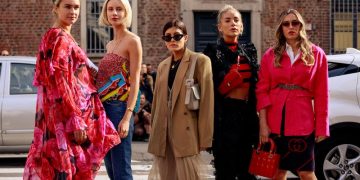
In 2025, color is more than decoration—it’s a mood statement. Designers are leaning into vibrant tones that radiate positivity and individuality. Shades like vanilla yellow, burnt orange, cherry red, and digital lilac are everywhere, from luxury runways to streetwear collections. These colors are powerful because they communicate emotion and personality.
Yellow in particular stands out as a leading hue, symbolizing optimism and renewal. It’s appearing across casual wear, evening outfits, and even accessories. Red, on the other hand, is being used as a symbol of power—either as full monochrome looks or bold accent pieces that turn a simple outfit into a statement.
Dynamic Prints and Rich Textures
Patterns and materials are moving toward tactile expression. Textures like suede, ribbed knit, and metallic finishes are returning in full force, giving depth and structure to outfits. Animal prints and asymmetrical designs are being modernized through layering techniques and subtle color variations.
Textiles now serve as storytellers—designers are experimenting with rough and smooth contrasts, merging natural fabrics like linen and silk with futuristic synthetics. This interplay gives fashion a sense of movement, reflecting the fast-paced, ever-evolving energy of the modern world.
What’s Driving These Visual Shifts
- Emotional expression: Bright colors mirror the collective desire for optimism.
- Sensory experience: Textures bring physical engagement back to clothing.
- Digital influence: Social media aesthetics inspire bold visual choices that photograph beautifully.
The Evolution of Silhouette and Structure
The Rise of Sculpted and Confident Shapes
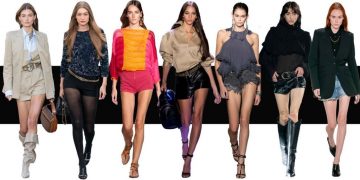
2025 silhouettes redefine proportions. Clothing is becoming more structured, clean, and intentional, balancing bold statements with wearable refinement. Oversized outerwear is still popular but is being styled with sharp tailoring to maintain sophistication.
The power suit is evolving into sleeker versions featuring cropped blazers, cinched waists, and straight-leg pants. Meanwhile, knee-length skirts and fitted jackets are making a comeback, blending vintage inspiration with modern tailoring.
Elevated Everyday Wear
Fashion today prioritizes comfort without compromising on impact. Matching sets continue to dominate because they simplify outfit planning while maintaining a cohesive, stylish look. These sets often play with color blocking, minimal embellishments, and refined silhouettes, allowing wearers to transition from work to evening with ease.
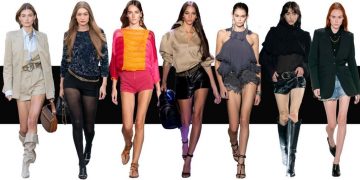
Hot pants and higher-rise bottoms are also trending again, reviving the playful energy of early 2000s fashion. Paired with sleek tops or blazers, they exude confidence and independence—a reflection of how consumers are dressing to feel empowered rather than to follow rules.
Key Style Shifts Explained
- Polished confidence: Structured tailoring signals professionalism and self-assurance.
- Youthful rebellion: Shorter hemlines and daring cuts evoke creative freedom.
- Effortless unity: Matching sets simplify styling while maintaining sophistication.
Functionality and Technology in Modern Fashion
Smart Textiles and Tech Integration
Technology is deeply integrated into fashion design in 2025. Smart fabrics now feature built-in sensors that regulate temperature, track movement, or even change color with body heat. Designers are exploring sustainability through innovation, using AI-driven design systems to reduce waste and enhance production accuracy.
Wearable technology is also more subtle and fashion-forward than ever. Smart jewelry, adaptive sneakers, and light-sensitive outerwear are bridging the gap between fashion and function, allowing consumers to express individuality while enjoying practical benefits.
Eco-Driven Material Innovation
Sustainability is no longer a niche conversation—it’s the foundation of fashion. Brands are shifting toward biodegradable materials, organic cotton, and lab-grown leather. The use of natural dyes and circular design principles ensures garments are not just stylish but responsible.
Consumers are becoming more conscious of origin, quality, and longevity. The idea of “investment dressing” has returned—buying fewer but better pieces that hold meaning, durability, and ethical value.
Retail and Digital Fashion Experiences
Online shopping continues to evolve with virtual fitting rooms and AI-driven style recommendations. Augmented reality tools allow shoppers to visualize outfits on digital avatars before buying. Meanwhile, the metaverse is reshaping digital self-expression, with virtual fashion becoming a serious creative industry.
Fashion houses are using AI not just for trend prediction but for co-designing collections based on real-time consumer insights. The result is a more inclusive, responsive, and personalized fashion ecosystem.
The Resurgence of Craftsmanship and Artisanal Influence
Handmade Quality as a Luxury Standard
In contrast to mass production, the industry is seeing renewed appreciation for craftsmanship. Hand embroidery, crochet, and bespoke tailoring are being celebrated again. These artisanal details add soul to clothing, connecting consumers emotionally to what they wear.
Slow fashion brands are emphasizing transparency—sharing stories about the artisans, materials, and creative processes behind each piece. This movement is creating a meaningful bridge between maker and wearer.
The Balance Between Old and New
Designers are finding inspiration in the past while using technology to innovate. Vintage silhouettes, such as 1970s bohemian dresses and 1990s minimalist suits, are being reimagined with modern fabrics and construction methods. This harmony between tradition and innovation defines the essence of 2025 fashion: respect for heritage, with eyes set firmly on the future.
Streetwear’s Evolution into Tailored Luxury
Streetwear has matured. Oversized hoodies and sneakers have evolved into structured versions with luxury finishes—think cashmere tracksuits, leather joggers, and tailored bomber jackets. The fusion of comfort and sophistication appeals to consumers who value versatility and identity-driven fashion.
Streetwear’s influence also reflects cultural democratization. It proves that luxury and casual can coexist, reshaping what it means to dress stylishly.
Accessories and Footwear: Function Meets Flair
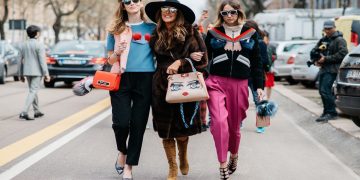
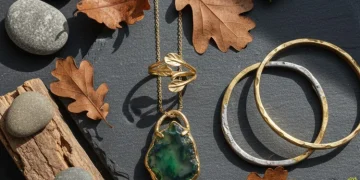
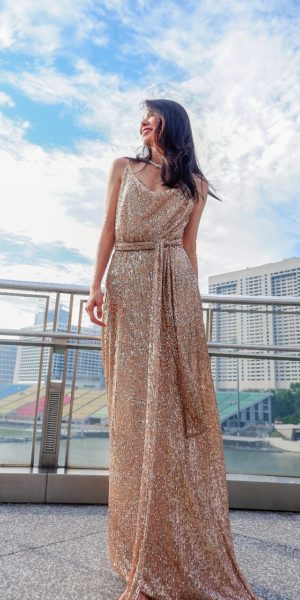
Accessories in 2025 are statement-making yet purposeful. Oversized handbags, sculptural jewelry, and futuristic sunglasses dominate. Metallic accents and asymmetric shapes continue to rise in popularity.
Footwear follows a similar pattern—comfort-first designs meet aesthetic innovation. Hybrid shoes, such as platform sneakers and reimagined loafers, reflect consumers’ desire for adaptability and ease.
Real-Life FAQs about Fashion Trends 2025
Q1: What is the biggest fashion color trend of 2025?
The leading color of 2025 is yellow in its various shades—from soft vanilla to bold golden tones—symbolizing positivity, energy, and renewal.
Q2: Are sustainable fabrics actually becoming mainstream?
Yes, sustainability is now a defining factor. Brands are using recycled fibers, organic materials, and AI design tools to reduce waste and improve quality.
Q3: How is technology influencing everyday fashion?
Tech is driving everything from smart textiles and virtual try-ons to real-time customization. Fashion is now both wearable art and functional innovation.
Q4: What silhouettes define 2025?
Expect structured suits, fitted blazers, knee-length skirts, and high-rise bottoms. These shapes emphasize confidence and body awareness.
Q5: What makes 2025 fashion different from previous years?
It’s a fusion year—balancing sustainability, technology, craftsmanship, and bold self-expression. Fashion is now about creating identity-driven, responsible, and future-focused style choices.
In 2025, fashion stands at the intersection of creativity and consciousness. The year’s trends prove that style is not just about what we wear—it’s about how we express, innovate, and connect with the world around us.