
The Allure of Fashion Jewelry
Fashion jewelry is one of the most dynamic and expressive aspects of modern style. Unlike fine jewelry that relies on precious metals and gemstones, fashion jewelry embodies creativity through innovative design, diverse materials, and affordability. It enables people to express individuality without compromising on quality or visual appeal. Whether it’s a statement necklace, a layered bracelet stack, or sleek minimalist earrings, fashion jewelry remains an essential element in defining personal aesthetics.
Today, fashion jewelry represents more than just adornment. It’s a cultural expression and a reflection of evolving social trends. As fashion cycles shift rapidly, this jewelry category adapts to changing lifestyles, offering stylish and accessible alternatives that keep pace with modern sensibilities. The versatility of fashion jewelry makes it a go-to choice for individuals who enjoy experimenting with looks without investing heavily in fine pieces.
The Evolution of Fashion Jewelry Through History
Fashion jewelry has a fascinating evolution rooted in ancient civilizations. The Egyptians used copper, gold leaf, and glass beads to symbolize wealth and power. The Greeks introduced intricate filigree designs, while the Romans popularized gemstones and engraved cameos. However, the modern concept of fashion jewelry began to take shape during the 20th century when industrialization allowed designers to produce high-quality pieces at affordable prices.
By the 1920s, fashion jewelry became a statement of elegance rather than social status. Art Deco styles brought bold geometric shapes and vibrant enamel work. The 1950s embraced femininity with pearls and rhinestones, while the 1980s highlighted oversized, colorful pieces that matched the decade’s maximalist fashion trends. In today’s world, fashion jewelry blends craftsmanship with technology, sustainability, and inclusivity, reflecting global influences and personal storytelling.
Key Materials Used in Fashion Jewelry
The beauty of fashion jewelry lies in the innovation behind its materials. Designers mix traditional craftsmanship with experimental substances to achieve unique textures and finishes. Some of the most common materials include:
- Base Metals: Brass, copper, stainless steel, and aluminum are commonly used for their strength, affordability, and ability to mimic the shine of precious metals.
- Plating Techniques: Gold, rhodium, and silver plating enhance durability and appearance. Thicker plating ensures longer-lasting brilliance.
- Glass and Crystals: Cut glass, cubic zirconia, and Austrian crystals replicate the sparkle of diamonds and gemstones at a fraction of the cost.
- Resins and Acrylics: Lightweight and colorful, they enable designers to create bold shapes without heaviness.
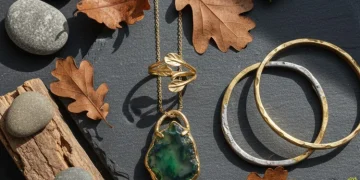
- Natural Materials: Shells, wood, leather, and stones bring organic appeal and eco-friendly charm.
- Recycled Elements: With sustainability gaining traction, many brands use recycled metals and repurposed components to reduce environmental impact.
Understanding these materials allows consumers to identify quality, predict longevity, and appreciate the craftsmanship behind every piece.
Craftsmanship and Design Innovation
Behind every fashion jewelry piece lies a blend of artistry and precision. Designers must balance aesthetics with practicality, ensuring comfort, durability, and ease of wear. Handcrafted pieces often stand out due to attention to detail, texture, and finishing. In contrast, machine-made items ensure consistency and scalability for global markets.
Technological innovations like 3D printing and laser engraving have revolutionized jewelry creation, enabling intricate patterns and personalized touches. Designers can now produce customized charms, initials, or motifs that hold emotional value while maintaining affordability. This convergence of artistry and technology has elevated fashion jewelry from simple accessories to expressive design statements.
Why Fashion Jewelry Defines Modern Style
In the modern world, jewelry is not merely decorative—it’s an extension of identity. People use it to express confidence, heritage, and personality. Fashion jewelry caters to this need through variety and adaptability. From minimalist gold chains that complement office attire to bold gemstone chokers for night events, it fits every mood and occasion.
Fashion jewelry also plays a significant role in cultural and emotional storytelling. Many wear pieces symbolizing milestones, beliefs, or family ties. Personalized charms, zodiac pendants, and handcrafted bead bracelets reflect individuality while connecting wearers to meaningful experiences.
Current Trends in Fashion Jewelry
Fashion jewelry trends evolve continuously, shaped by social movements, sustainability awareness, and digital influence. Some of the most prominent trends include:
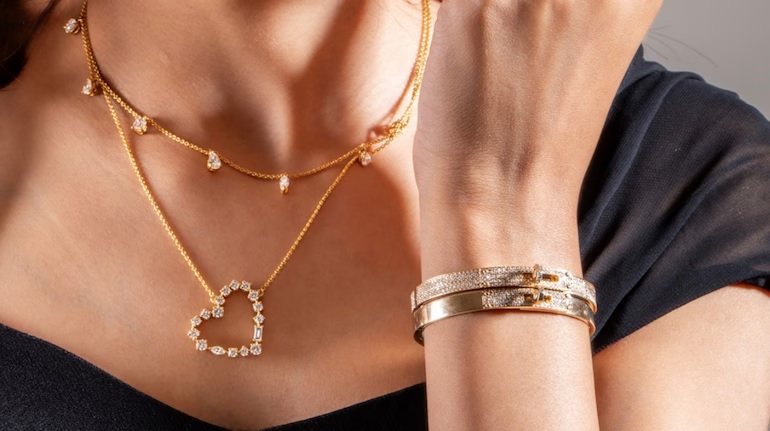
- Layered Jewelry: Mixing chains of varying lengths and textures adds depth and sophistication.
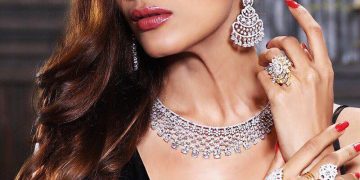
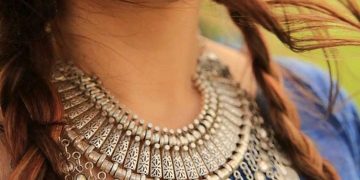
- Statement Earrings: Oversized hoops, sculptural designs, and colorful enamel pieces dominate contemporary fashion.
- Pearl Renaissance: Modern interpretations feature asymmetrical shapes and iridescent tones beyond traditional white.
- Mixed Metals: Combining gold, silver, and rose tones adds contrast and dimension.
- Bohemian and Nature-Inspired Styles: Shells, beads, and organic motifs offer earthy elegance.
- Gender-Neutral Jewelry: Inclusive designs appeal to all styles, breaking away from gender-based aesthetics.
- Sustainable and Ethical Designs: Consumers increasingly favor eco-conscious craftsmanship and transparency in sourcing.
These evolving trends prove that fashion jewelry is both timeless and adaptive, aligning with global movements toward individuality and conscious consumption.
How to Choose Quality Fashion Jewelry
Not all fashion jewelry pieces are made equal, and distinguishing quality items requires attention to several factors:
- Material Integrity: Look for hypoallergenic metals like stainless steel or nickel-free alloys to avoid skin reactions.
- Plating Quality: A thicker plating layer prolongs color and shine retention.
- Clasp and Setting Durability: Examine clasps, hinges, and stone settings for strength and precision.
- Brand Transparency: Ethical brands disclose sourcing details and use sustainable practices.
- Finish and Polish: Smooth edges and even finishes indicate high-quality craftsmanship.
A practical tip is to perform a magnet test. Genuine non-ferrous metals used in high-quality costume jewelry will not attract magnets, signaling better durability and material integrity.
Caring for Fashion Jewelry
Proper maintenance can extend the life and beauty of your fashion jewelry. Simple care practices include:
- Keep jewelry dry and away from moisture to prevent tarnish.
- Store pieces separately in soft pouches or lined boxes to avoid scratches.
- Avoid contact with perfumes, lotions, and hairsprays that may corrode metal finishes.
- Clean gently with a soft cloth; never use abrasive cleaners.
- Remove jewelry before swimming or showering.
These small steps ensure that your accessories retain their shine and structural integrity for years.
Sustainability and Ethical Responsibility in Fashion Jewelry
Sustainability has become a defining principle in today’s jewelry industry. Consumers increasingly value brands that embrace eco-conscious manufacturing and ethical sourcing. Many designers now prioritize recycled metals, lab-grown stones, and fair labor practices.
Additionally, the concept of slow fashion has reached the jewelry market. It emphasizes long-lasting design over mass production. Eco-friendly packaging and biodegradable materials further support environmentally responsible practices. For consumers, purchasing sustainable jewelry is not just a fashion choice but also a statement of social awareness and ethical responsibility.
Styling Tips: How to Incorporate Fashion Jewelry into Your Wardrobe
Fashion jewelry enhances style when worn strategically. Here’s how to create cohesive and elegant looks:
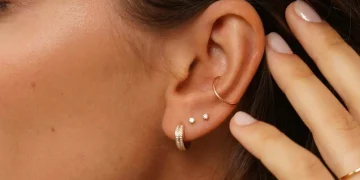
- For Professional Settings: Choose minimalist pieces like stud earrings, thin bangles, and short gold chains to project confidence and sophistication.
- For Casual Outfits: Layer necklaces or stack bracelets to create relaxed, chic combinations.
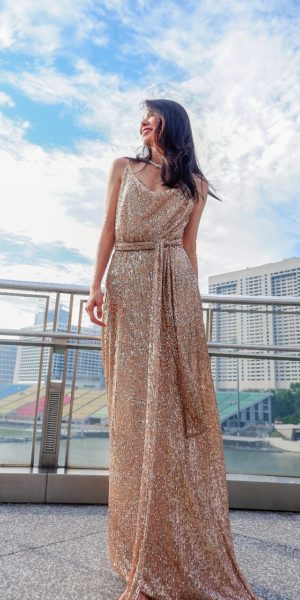
- For Evening Events: Bold statement earrings or gemstone cuffs can instantly elevate a simple dress.
- For Vacations or Festivals: Opt for colorful beads, shells, and bohemian designs that complement relaxed attire.
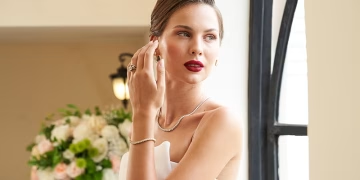
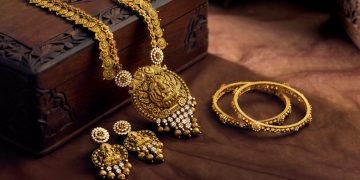
- For Special Occasions: Combine traditional elements like pearls with modern silhouettes for a timeless yet trendy appeal.
Mixing and matching textures, metals, and styles allows you to create a signature look that feels both contemporary and personal.
The Future of Fashion Jewelry
The future of fashion jewelry is defined by technology, personalization, and sustainability. Digital innovation is enabling designers to create customized pieces through 3D modeling, allowing customers to preview designs before production. Artificial intelligence is also influencing trend forecasting, helping brands predict what styles resonate most with global audiences.
Virtual fashion jewelry for digital avatars is another growing frontier, driven by the rise of online identities and virtual reality environments. Meanwhile, the continued demand for sustainable and transparent practices ensures that fashion jewelry remains relevant in both ethical and aesthetic contexts.
FAQ
How is fashion jewelry different from fine jewelry?
Fashion jewelry uses affordable metals and synthetic stones, while fine jewelry features precious metals like gold and gemstones. Both serve different purposes—fashion jewelry focuses on versatility, and fine jewelry emphasizes long-term investment.
How long can fashion jewelry last with proper care?
High-quality fashion jewelry can last several years if cleaned regularly, stored properly, and kept away from moisture and chemicals.
Can fashion jewelry be worn every day?
Yes, many modern designs use durable, skin-safe materials suitable for daily wear. However, it’s best to rotate pieces to reduce wear.
What’s the most popular trend in women’s fashion jewelry today?
Layered necklaces, mixed metal finishes, and bold earrings are among the most in-demand trends, blending minimalism with statement appeal.
Is sustainable fashion jewelry expensive?
Not necessarily. Sustainable pieces may cost slightly more due to ethical sourcing, but they offer greater value through craftsmanship and longevity.
What’s the best way to store fashion jewelry?
Store each piece separately in soft fabric pouches or compartments to prevent scratching and tarnish. Avoid humidity and direct sunlight.
Fashion jewelry continues to redefine modern style through artistry, accessibility, and innovation. It celebrates individuality, embraces cultural diversity, and empowers wearers to express confidence through design. From minimalist accents to bold statement pieces, fashion jewelry remains a timeless bridge between creativity and personal expression.