
Understanding the Concept of a Boutique
A boutique represents far more than a small retail shop; it embodies an experience of exclusivity, creativity, and personalized fashion. The term originally comes from the French word for “shop,” yet in modern usage, it signifies a curated space offering distinctive products that stand apart from mass-produced retail collections. In the United States, boutiques are celebrated for blending artistry with commerce, where fashion, individuality, and innovation intersect. Unlike large retail chains that prioritize volume and uniformity, boutiques emphasize craftsmanship, limited editions, and a strong emotional connection with the customer. The boutique model thrives on authenticity and creativity—qualities that resonate deeply with modern consumers seeking unique identities through their wardrobe choices.
The Historical Evolution of Boutiques
The rise of the boutique concept can be traced back to post-war Europe, particularly in Paris and London during the 1950s and 1960s. This was a time when fashion began to shift from couture dominance toward ready-to-wear clothing that reflected youth culture and individuality. Small designer-owned shops emerged to cater to clients seeking something beyond mainstream fashion, leading to the early foundation of boutique culture.
In the United States, boutiques gained momentum in the 1970s when independent designers began to open specialized stores focusing on niche aesthetics, artisan craftsmanship, and personalized styling. These stores became cultural symbols, showcasing clothing as a form of self-expression rather than mere necessity. By the 1990s, boutiques evolved further to include lifestyle elements such as accessories, home décor, and beauty products, creating an all-encompassing retail environment.
Today, the modern boutique represents a fusion of tradition and technology. Digital platforms allow boutique owners to reach global audiences without losing the intimate, customer-focused approach that defines their brand identity.
Characteristics that Define a Boutique
What sets a boutique apart from traditional retail stores is its attention to detail, curated collections, and strong brand philosophy. Successful boutiques share a few core characteristics that make them timeless and appealing.
1. Personalized Customer Service
Boutiques are renowned for creating personal relationships with customers. Staff often act as stylists, offering individualized recommendations based on preferences, body type, and lifestyle. This high-touch approach fosters loyalty and repeat visits.
2. Curated and Limited Collections
Unlike department stores that stock hundreds of similar items, boutiques feature carefully selected pieces that align with a specific aesthetic or story. The limited quantity of items not only enhances exclusivity but also supports sustainable shopping habits.
3. Aesthetic Presentation
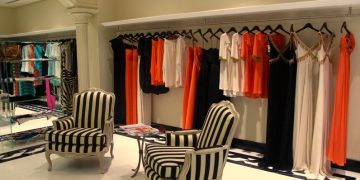
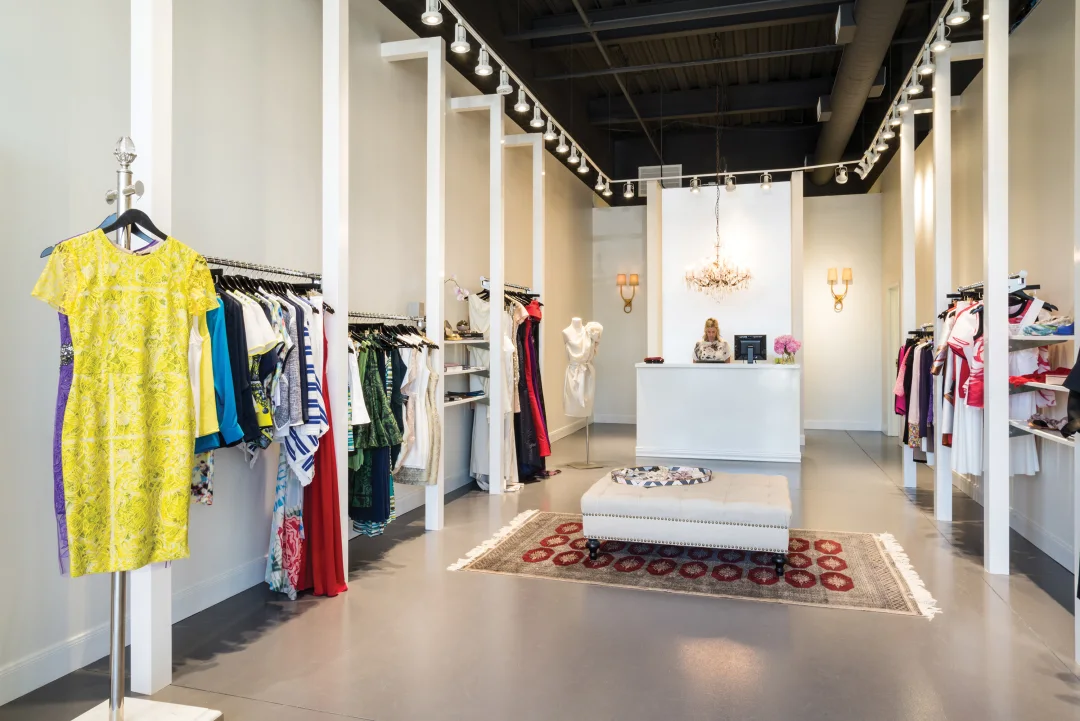
The visual appeal of a boutique plays a significant role in its success. From interior design to product arrangement, everything is curated to evoke emotion and brand identity. This immersive experience transforms shopping into an artistic journey.
4. Strong Brand Identity
Every boutique tells a story—whether it’s vintage-inspired, eco-friendly, or avant-garde. This narrative shapes every element of the business, from product sourcing to customer engagement, making the boutique experience cohesive and memorable.
5. Community and Culture
Many boutiques operate as local cultural hubs. They host workshops, fashion events, and trunk shows, fostering a sense of belonging and artistic collaboration within their communities.
The Economic Role of Boutiques in Modern Fashion
The boutique sector contributes significantly to the fashion economy by supporting independent designers, artisans, and local manufacturing. These stores provide a platform for emerging talents who might not have access to large-scale retail channels.
Economically, boutiques play a crucial role in promoting diversity and innovation within the apparel industry. They challenge the dominance of standardized fast fashion by introducing craftsmanship, ethical sourcing, and creative experimentation. This balance between artistry and business helps sustain local economies while offering consumers high-quality, meaningful alternatives.
Boutique Business Models and Strategies
Running a successful boutique requires more than creativity—it demands strategic thinking, branding, and adaptability. The following models illustrate how modern boutiques thrive in a competitive landscape:
1. Designer Boutiques
Designer boutiques are owned or curated by a specific fashion designer or label. They showcase exclusive collections, offering customers direct access to the brand’s latest designs. These boutiques often serve as creative laboratories where designers test new ideas before launching broader lines.
2. Concept Boutiques
Concept boutiques revolve around a unique theme or lifestyle. Every product—from clothing to décor—is chosen to reflect a cohesive idea. For example, a boutique may focus on sustainable fashion, urban streetwear, or artisanal craftsmanship.
3. Multi-Brand Boutiques
Multi-brand boutiques feature curated selections from various designers, both established and emerging. This model attracts diverse audiences and promotes creative collaboration across fashion houses.
4. Online Boutiques
The digital transformation of retail has given rise to online boutiques. These virtual stores maintain the exclusivity and aesthetic appeal of physical boutiques while reaching a broader audience through social media and e-commerce platforms.
5. Pop-Up Boutiques
Pop-up boutiques are temporary installations designed to create excitement and exclusivity. They often appear at high-traffic locations or events, providing limited-time experiences that build brand awareness and urgency among consumers.
The Psychology of Boutique Shopping
Shopping in a boutique is an emotional experience rather than a transactional one. Customers are drawn to the sense of intimacy, creativity, and discovery that boutiques offer. Unlike large retail stores, where customers often feel anonymous, boutique environments make them feel valued and understood.
Psychologically, boutique shopping appeals to the human desire for individuality. Owning something rare or handcrafted reinforces a sense of uniqueness and personal expression. Additionally, the slower, more intentional shopping pace found in boutiques encourages mindfulness and appreciation for quality over quantity.
The Influence of Technology on Boutique Retail
Technology has transformed how boutiques operate and engage with clients without compromising their personalized essence. Digital integration has allowed small-scale boutiques to compete effectively with large retailers.
Key technological influences include:
- E-commerce Platforms: Allow boutiques to sell globally while maintaining brand exclusivity.
- Social Media Marketing: Visual platforms like Instagram and Pinterest have become vital storytelling tools that showcase new arrivals, design philosophies, and behind-the-scenes processes.
- Customer Relationship Management (CRM): Helps boutique owners track customer preferences, birthdays, and purchase history to provide tailored recommendations.
- Augmented Reality (AR): Enables virtual try-ons, allowing customers to visualize products before purchase.
- Sustainable Supply Chain Tracking: Digital transparency tools help boutiques demonstrate ethical sourcing and eco-friendly practices to conscious consumers.
Sustainability and Ethical Practices in Boutiques
Modern boutiques are at the forefront of the sustainable fashion movement. They prioritize responsible production, transparency, and long-term value. Sustainability is not just a trend but a defining principle for many boutique owners.
Common sustainable practices include:
- Using organic and natural materials in production
- Partnering with local artisans and small-scale producers
- Implementing zero-waste packaging and recycling programs
- Encouraging mindful consumption through limited editions
- Promoting repair and reuse programs for clothing longevity
This focus on sustainability attracts environmentally aware consumers and strengthens brand integrity in a market increasingly driven by conscious choices.
The Boutique Experience: Where Art Meets Lifestyle
Every successful boutique crafts a sensory experience that connects customers emotionally to the brand. The interior design, music, scent, and personalized service combine to create a unique ambiance. This approach transforms shopping from a routine task into an immersive experience.
Boutiques often collaborate with artists, photographers, and interior designers to enhance their aesthetic appeal. Some even feature in-store cafes or lounges to encourage relaxation and engagement, reinforcing the idea that a boutique is not just a store—it’s a lifestyle destination.
Challenges Faced by Boutique Businesses
While boutiques offer exclusivity and creativity, they also face challenges that require strategic foresight.
Key challenges include:
- High Operational Costs: Limited inventory and prime locations can strain budgets.
- Market Competition: Competing with large retailers and online marketplaces can impact visibility.
- Inventory Management: Balancing stock without overproduction is complex.
- Consumer Education: Customers must understand the value of craftsmanship and pricing.
Successful boutique owners address these challenges through innovation, strong branding, and consistent customer engagement.
The Future of Boutiques: Trends and Innovations
The boutique industry is poised for continued evolution, blending artistry with digital innovation. Emerging trends include personalized AI-driven styling recommendations, virtual showrooms, and eco-conscious designs. Hybrid business models that merge physical and digital experiences are also becoming standard.
Moreover, inclusivity and diversity are reshaping boutique philosophies. Boutiques are increasingly featuring gender-neutral collections, body-positive sizing, and designs celebrating cultural diversity. This transformation reflects a broader shift in fashion toward authenticity, representation, and purpose.
FAQs
1. What makes a boutique different from a retail store?
A boutique focuses on limited, curated collections and personalized service, whereas retail stores prioritize volume and variety. Boutiques emphasize quality, craftsmanship, and exclusivity.
2. How do boutiques maintain exclusivity?
By offering limited-edition products, collaborating with independent designers, and curating distinct collections, boutiques maintain an aura of rarity that mass retailers cannot replicate.
3. Are online boutiques as effective as physical ones?
Yes, online boutiques can achieve equal success by emphasizing visual storytelling, responsive customer service, and seamless digital experiences while maintaining their brand personality.
4. Why are sustainability and ethical sourcing important for boutiques?
Consumers increasingly value transparency and environmental responsibility. Boutiques that adopt ethical practices build trust and long-term customer loyalty.
5. What factors contribute to a boutique’s success?
Key factors include a strong brand identity, customer-focused service, high-quality products, and consistent storytelling across all marketing channels.
6. Can technology enhance the boutique experience?
Absolutely. Technologies like AI, AR, and CRM systems help boutiques provide tailored recommendations and efficient services without losing their human touch.
7. How do boutiques influence fashion culture?
Boutiques act as incubators for new designers, trends, and craftsmanship, shaping fashion culture by introducing innovation and individuality to the mainstream market.
8. What role does interior design play in a boutique’s success?
The ambiance and visual appeal significantly impact customer perception. A well-designed space encourages longer visits, deeper emotional engagement, and repeat purchases.
The modern boutique is more than a retail concept—it is a philosophy of creativity, personalization, and conscious living. By blending fashion with authenticity and innovation, boutiques continue to define the future of how people experience and express style.