
Understanding the Role of a Beauty Parlor
A beauty parlor is far more than a place for aesthetic enhancement; it is an essential part of personal care, wellness, and self-expression. The concept has evolved dramatically over the years, transitioning from simple haircutting and styling shops to comprehensive wellness hubs that combine advanced skincare, haircare, and holistic treatments. In modern society, beauty parlors have become vital spaces where artistry, technology, and psychology intersect to enhance both appearance and self-confidence.
In the United States, beauty parlors hold a significant role in daily life, influencing not only personal grooming routines but also social and professional identities. As more individuals prioritize self-care, the demand for professional beauty services continues to rise. From bridal makeovers to advanced skincare procedures, beauty parlors now cater to a wide spectrum of aesthetic and wellness needs.
The Historical Journey of Beauty Parlors
The origin of beauty parlors can be traced back to ancient civilizations. Egyptians, Greeks, and Romans were known for their elaborate beauty rituals, using natural oils, herbs, and pigments for grooming and self-adornment. In the early 20th century, the concept of the modern beauty parlor began taking shape in the United States. The rise of urbanization and the growing influence of Hollywood’s glamour culture fueled the popularity of personal grooming and cosmetic treatments.
By the 1950s and 1960s, beauty parlors had become social hubs where women gathered not only for services but also for community interaction and empowerment. The late 20th century introduced technological advancements like chemical hair treatments, electric styling tools, and specialized skincare, further professionalizing the industry. Today, beauty parlors have become sophisticated centers of innovation, offering services rooted in dermatology, cosmetology, and wellness science.
The Multifaceted Services of a Beauty Parlor
Modern beauty parlors offer an extensive range of services designed to meet diverse beauty and wellness goals. Each category serves a specific purpose and is backed by professional expertise and evolving techniques.
1. Haircare and Styling
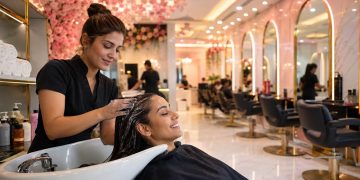
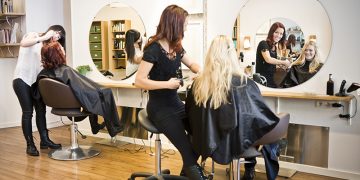
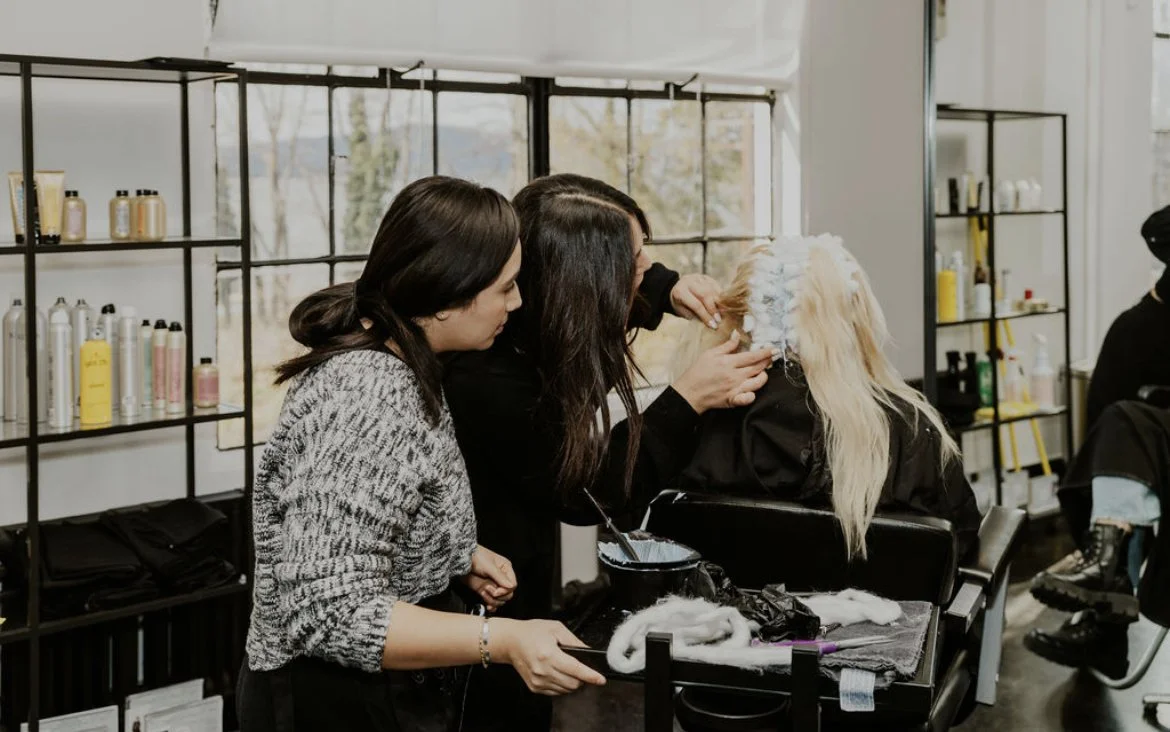
Haircare remains the cornerstone of any beauty parlor. Services range from basic cuts and coloring to advanced treatments that address scalp health and hair texture.
Key services include:
- Precision haircuts and styling tailored to face shape and lifestyle
- Hair coloring, highlights, and balayage for personalized aesthetics
- Keratin and protein treatments to repair damaged hair
- Scalp massages and treatments promoting hair growth
- Bridal and event hairstyling for special occasions
The integration of technology has elevated these services through the use of digital color mapping, hair analysis tools, and eco-friendly products that reduce damage and chemical exposure.
2. Skincare and Facial Treatments
Skin health has become a top priority among clients, leading to the rapid growth of skincare services within beauty parlors. These treatments focus on enhancing texture, tone, and overall complexion.
Popular skincare treatments include:
- Deep-cleansing and hydrating facials for rejuvenation
- Chemical peels for acne, pigmentation, and age-related concerns
- Microdermabrasion and micro-needling for improved skin renewal
- LED light therapy and oxygen facials for non-invasive revitalization
- Anti-aging therapies targeting fine lines and elasticity
A professional beauty parlor employs certified aestheticians who evaluate individual skin types before recommending customized regimens, ensuring both safety and effectiveness.
3. Makeup and Aesthetic Artistry
Makeup application is an art that merges creativity with technical skill. From subtle everyday looks to high-definition bridal and editorial makeup, beauty parlors play an integral role in defining trends and standards.
Services include:
- Day and evening makeup tailored to events and preferences
- Airbrush makeup for long-lasting and natural finishes
- Bridal and party makeup packages
- Eyebrow shaping and tinting for defined facial features
- Lash extensions and lifting for enhanced eyes
Professional makeup artists often use advanced color theory, skin undertones, and lighting awareness to ensure flawless results across all skin types and occasions.
4. Nail and Hand Care Services
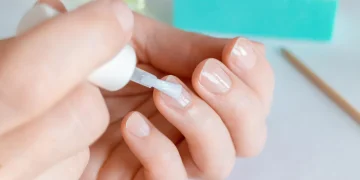
Modern nail care extends beyond polish application to detailed grooming and hygiene practices.
Common services include:
- Classic and gel manicures and pedicures
- Nail extensions and acrylic applications
- Hand and foot spa treatments
- Paraffin wax therapies for hydration and relaxation
These services not only enhance beauty but also promote relaxation and overall well-being.
5. Body Care and Wellness Treatments
The modern beauty parlor often integrates body care with relaxation therapies. This holistic approach addresses both outer beauty and inner peace.
Notable offerings include:
- Full-body massages for stress relief and improved circulation
- Body scrubs and wraps for exfoliation and detoxification
- Aromatherapy sessions promoting emotional wellness
- Waxing and threading services for precise hair removal
By blending traditional spa therapies with modern science, beauty parlors now provide experiences that nurture both physical and mental health.
The Psychology Behind Beauty and Self-Care
The relationship between beauty and psychology is profound. Studies show that individuals who regularly engage in grooming and beauty treatments experience higher self-esteem and reduced stress levels. Visiting a beauty parlor is not merely about external transformation; it fosters emotional rejuvenation and self-assurance.
For many, beauty rituals serve as acts of self-care, helping them reconnect with their sense of identity and confidence. A professional stylist or aesthetician can act as both a consultant and confidant, creating a space where clients feel seen, valued, and empowered.
The Technological Revolution in Beauty Parlors
Technology has redefined how beauty parlors operate, from appointment scheduling to product formulation. Advanced tools now assist in analyzing skin conditions, customizing treatments, and improving efficiency.
Key technological innovations include:
- AI-Powered Consultations: Digital imaging systems analyze facial structure, skin tone, and texture to recommend personalized services.
- Smart Devices: Tools like ultrasonic skin scrubbers and infrared therapy machines enhance the precision of treatments.
- Eco-Friendly Formulations: Sustainable beauty products derived from plant-based ingredients reduce environmental harm while improving client safety.
- Digital Integration: Mobile apps enable easy booking, loyalty tracking, and virtual consultations, enhancing convenience for clients.
These innovations not only elevate the client experience but also set new standards of professionalism within the beauty industry.
The Rise of Sustainability in Beauty Parlors
Sustainability is becoming a cornerstone of modern beauty practices. Environmentally conscious consumers now prefer parlors that minimize waste, use cruelty-free products, and follow ethical sourcing.
Common sustainability practices include:
- Utilizing biodegradable materials and refillable product packaging
- Reducing water and energy consumption through efficient equipment
- Partnering with eco-conscious brands for skincare and haircare lines
- Promoting education on responsible consumption among clients
This movement not only reflects environmental awareness but also builds brand trust and loyalty among modern consumers.
Economic and Cultural Impact of Beauty Parlors in the USA
In the United States, the beauty parlor industry is a vital economic driver. It supports millions of jobs across hairstyling, cosmetology, skincare, and product manufacturing. The industry also fosters entrepreneurship, with many professionals establishing independent salons and local beauty brands.
Culturally, beauty parlors are places of creativity and empowerment. They influence trends, support inclusivity, and reflect the evolving definitions of beauty across different communities. The industry’s embrace of diversity—accommodating all skin tones, hair textures, and gender expressions—reinforces its social importance in a modern, progressive society.
Training, Skill, and Professionalism in Beauty Parlors
Operating a successful beauty parlor demands expertise, continuous learning, and customer-centric service. Professionals in this field often undergo extensive training in cosmetology, dermatology basics, hygiene, and product chemistry.
Essential skills include:
- Precision and creativity in service execution
- Strong interpersonal communication
- Knowledge of product ingredients and compatibility
- Adaptability to evolving beauty trends and technologies
High professionalism ensures client safety, satisfaction, and long-term loyalty, distinguishing a top-tier beauty parlor from an average one.
FAQs
1. What makes a beauty parlor different from a spa?
A beauty parlor primarily focuses on aesthetic enhancements such as hair, skin, and makeup, while a spa emphasizes relaxation and body wellness through massages and therapeutic treatments. Many modern parlors now integrate both services for a complete experience.
2. How often should one visit a beauty parlor?
The frequency depends on personal grooming needs. Haircuts may be needed every 4–6 weeks, while skincare treatments like facials are typically recommended once or twice a month for optimal results.
3. What qualifications should beauty parlor professionals have?
Licensed cosmetologists or aestheticians should handle specialized treatments. Certification ensures they are trained in hygiene, skin science, and product usage to maintain client safety.
4. Are beauty parlor treatments suitable for sensitive skin?
Yes, reputable parlors perform detailed skin analyses before any procedure. They use hypoallergenic or dermatologically tested products tailored to individual sensitivities.
5. How can I identify a high-quality beauty parlor?
Look for cleanliness, certified professionals, personalized consultations, transparent pricing, and modern equipment. Client testimonials and visible hygiene practices are strong indicators of reliability.
6. What trends are shaping the future of beauty parlors?
Key trends include sustainable beauty practices, AI-driven personalization, organic skincare, and gender-neutral beauty services. These trends reflect a shift toward holistic and inclusive wellness.
7. Do beauty parlors contribute to mental well-being?
Absolutely. The relaxation and confidence gained from professional grooming can reduce anxiety and elevate mood, making beauty parlors valuable spaces for emotional renewal.
8. Can technology replace human expertise in beauty services?
While technology enhances precision and customization, human artistry, empathy, and personal interaction remain irreplaceable elements in beauty services.
The modern beauty parlor stands as a symbol of transformation—where artistry, science, and care converge to create not just beauty but confidence and wellness. Its evolution continues to redefine personal care in a world that values individuality, sustainability, and holistic health.