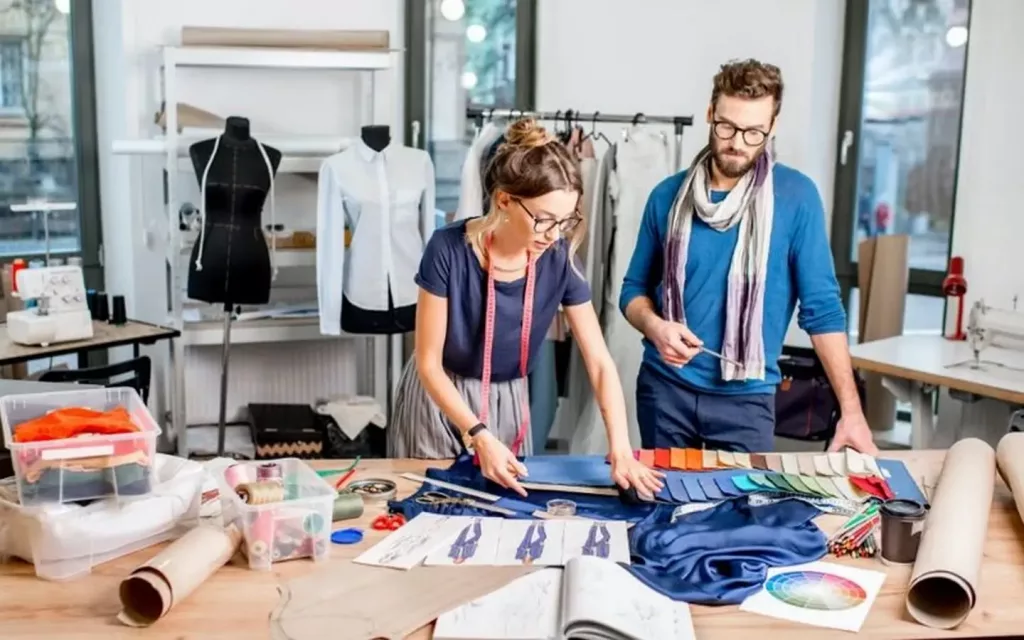

Understanding the Role of a Fashion Designer
A fashion designer is far more than someone who sketches dresses or chooses fabrics. The profession represents the fusion of art, cultural influence, and technical mastery. Fashion designers are visual storytellers who shape how the world dresses, influencing trends, lifestyles, and even social movements. Their creativity translates into collections that express individuality, challenge norms, and respond to global issues such as sustainability and diversity. In today’s highly competitive fashion landscape, designers must blend aesthetics with practicality while understanding how design impacts consumer behavior and cultural expression.
The Evolution of Fashion Design
Fashion design has evolved from bespoke tailoring for aristocrats to a global industry worth billions. The earliest designers, such as Charles Frederick Worth in the 19th century, laid the foundation for haute couture by personalizing clothing for elite clients. As industrialization advanced, ready-to-wear collections emerged, transforming fashion into a commercial enterprise accessible to the public. By the late 20th century, fashion became a reflection of identity and rebellion—designers like Coco Chanel, Christian Dior, and Yves Saint Laurent revolutionized not only women’s wardrobes but also societal views on femininity and empowerment.
Today, the fashion industry thrives on innovation, sustainability, and digital transformation. Designers no longer work solely with fabric and thread; they engage with AI, 3D modeling, and virtual reality to visualize garments before production. This evolution demands a balance of creativity and technology, defining the modern fashion designer’s toolkit.
Skills Every Successful Fashion Designer Must Possess
Success in fashion design requires a wide range of hard and soft skills. Technical proficiency is essential, but equally important are imagination, emotional intelligence, and resilience.
1. Creative Vision and Originality
A designer must constantly think beyond the present, anticipating what consumers will desire next. Originality is key—every collection must have a signature aesthetic that sets the designer apart. Inspiration may come from architecture, nature, or cultural events, but the ability to transform abstract ideas into wearable art defines a true designer.
2. Technical and Artistic Expertise
Proficiency in sketching, pattern-making, and sewing is crucial. Understanding textiles—their textures, durability, and draping behavior—allows designers to create garments that not only look appealing but also feel comfortable and functional. Knowledge of digital design tools such as Adobe Illustrator, CLO 3D, and CAD software is now equally important, as digital prototyping reduces costs and waste in production.
3. Market Awareness and Trend Forecasting
Fashion design is both an art and a business. Designers must understand their target market, monitor fashion cycles, and interpret social shifts. Effective trend forecasting involves studying color reports, street style, and pop culture. Designers often collaborate with forecasters or use data analytics tools to predict future consumer preferences.
4. Business Acumen
Behind every successful collection is a sound business strategy. Designers who operate their own labels need to understand branding, marketing, and financial management. From setting prices to managing supply chains, a deep understanding of business operations ensures the sustainability of their brand.
5. Communication and Collaboration
Fashion is a collaborative field involving stylists, photographers, models, fabric suppliers, and manufacturers. Designers must communicate their vision clearly to ensure consistent execution across all stages of production. Leadership and teamwork skills are indispensable for coordinating these creative and logistical processes.
The Fashion Designer’s Creative Process
The journey from idea to finished garment involves a structured process, requiring both discipline and imagination.
Research and Inspiration
Designers start by gathering inspiration through travel, art, literature, or cultural exploration. They may visit museums, attend fashion shows, or analyze historical garments to spark creativity. This stage sets the tone and direction of the collection.
Concept Development
Once the inspiration is clear, designers create a mood board that reflects the theme, color palette, and fabric selection. Mood boards serve as visual roadmaps for the entire team, aligning everyone with the designer’s vision.
Sketching and Illustration
Using both traditional and digital methods, designers translate their ideas into sketches. These initial designs help visualize silhouettes, patterns, and styling elements before finalizing prototypes.
Material Selection and Sample Creation
Fabric choice is crucial to achieving the desired look and functionality. Designers must consider texture, weight, and sustainability. Samples or “toiles” are then produced to test the fit and appearance of garments before full-scale production begins.
Production and Quality Control
After approval, designs move into production. This involves pattern grading, cutting, stitching, and finishing. Quality control is vital to maintaining brand integrity, ensuring that every piece meets design and construction standards.
The Impact of Technology on Fashion Design
The integration of technology has revolutionized how designers conceptualize and produce fashion.
3D Design and Virtual Prototyping
Digital design platforms allow designers to create lifelike 3D models of garments, reducing the need for physical samples. This not only saves time but also promotes sustainability by minimizing material waste.
Artificial Intelligence and Data Analytics
AI plays a major role in predicting consumer trends, optimizing inventory, and even designing garments. Algorithms analyze past sales data and social media activity to forecast what styles or colors will perform well.
Sustainable Fabric Innovation
Technological advancements have led to eco-friendly textiles made from recycled materials, organic fibers, and even lab-grown leather. Fashion designers are increasingly integrating these materials into their collections to meet the growing demand for ethical fashion.
Fashion Designer Career Pathways
The fashion industry offers diverse career paths, each requiring a different blend of creativity and business knowledge.
Haute Couture Designer
Haute couture represents the pinnacle of craftsmanship, focusing on custom-made garments for elite clients. Designers in this sector work with luxurious fabrics and intricate handwork, showcasing artistry and exclusivity.
Ready-to-Wear Designer
Ready-to-wear collections cater to a broader audience, balancing creativity with practicality. Designers must ensure their pieces are both trend-driven and suitable for mass production.
Fashion Illustrator and Stylist
Some designers specialize in illustration or styling, helping shape visual presentations for fashion houses, magazines, and advertising campaigns.
Textile and Print Designer
These specialists develop unique patterns, textures, and prints used in fabric manufacturing. Their work forms the foundation of many successful fashion collections.
Sustainable Fashion Designer
With increasing awareness of environmental issues, sustainable fashion designers prioritize eco-friendly materials, ethical labor practices, and circular production models.
Challenges Faced by Modern Fashion Designers
While glamorous on the surface, fashion design is an industry filled with challenges. Designers face immense pressure to innovate constantly while meeting tight production deadlines.
Key challenges include:
- Fast Fashion Competition: The demand for quick, inexpensive clothing often undermines quality and originality.
- Sustainability Pressures: Designers must create eco-friendly collections without compromising style or affordability.
- Cultural Sensitivity: Globalization requires designers to respect cultural boundaries and avoid appropriation.
- Financial Constraints: Starting an independent label demands significant investment and a strong marketing strategy.
The Future of Fashion Design
The future of fashion design lies in merging creativity with technology and ethics. Virtual fashion shows, digital garments, and AI-assisted pattern-making will continue to reshape how collections are produced and consumed. Moreover, as sustainability becomes central to fashion culture, designers will focus on circular fashion, where clothing is designed to be reused or recycled. The next generation of designers will be defined by their ability to blend innovation, inclusivity, and responsibility.
FAQs
Q1: What is the difference between a fashion designer and a fashion stylist?
A fashion designer creates original garments and collections, while a stylist curates outfits from existing designs to achieve a specific look for clients or photo shoots.
Q2: How long does it take to become a professional fashion designer?
Typically, it takes 3 to 4 years to complete a bachelor’s degree in fashion design, followed by years of industry experience to develop a distinct style and portfolio.
Q3: What are the most important tools for a modern fashion designer?
Essential tools include sketching materials, sewing machines, pattern-making tools, and digital design software like Adobe Illustrator, CLO 3D, and CAD programs.
Q4: How do fashion designers stay inspired?
Designers draw inspiration from global culture, art, travel, and social movements. Many keep inspiration journals or create digital mood boards to capture new ideas.
Q5: What role does sustainability play in fashion design today?
Sustainability is now a key pillar of design philosophy. Modern designers focus on using recycled materials, reducing waste, and implementing ethical production practices.
Q6: Can artificial intelligence replace human fashion designers?
AI can assist in data-driven design and trend forecasting, but human creativity, emotion, and cultural intuition remain irreplaceable in fashion design.
Q7: How can aspiring designers build a successful career?
Building a strong portfolio, networking within the industry, interning with established brands, and maintaining originality are essential steps toward a successful fashion design career.
This in-depth article explores the essence of what it means to be a fashion designer, focusing on the blend of artistry, business acumen, and innovation that defines success in the modern fashion industry.